
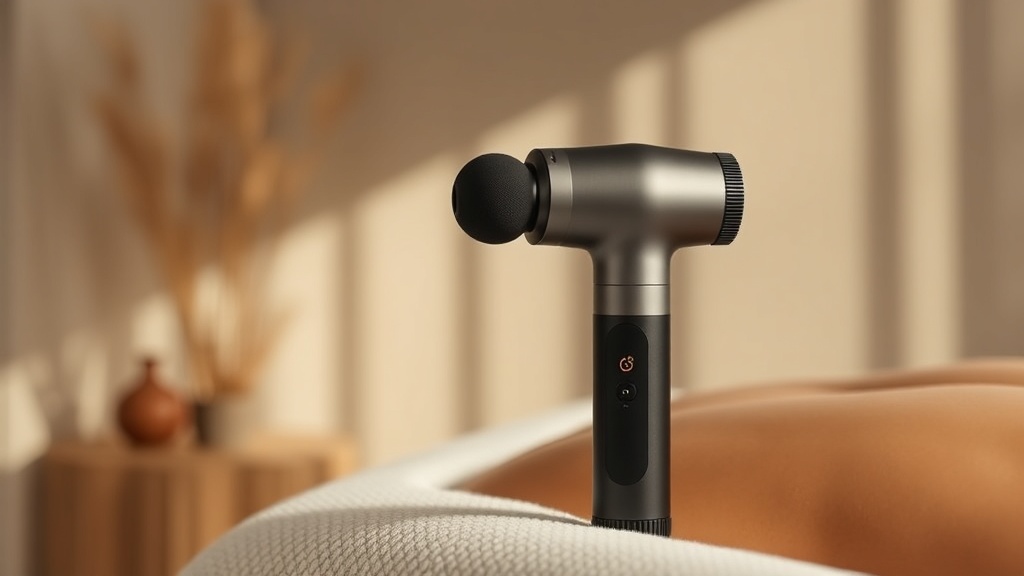
Understanding Percussion Massage Technology Basics
The autonomic effects of percussion therapy extend to digestive function, with many users reporting improved digestion and reduced bloating after abdominal and lower back treatment. The vagus nerve, which controls parasympathetic activity throughout the digestive tract, can be stimulated indirectly through percussion of the muscles along its path. Additionally, reducing tension in the abdominal wall and psoas can relieve mechanical compression of digestive organs. These secondary benefits of percussion therapy contribute to overall wellbeing beyond the musculoskeletal system.
The safety data on percussion massage guns has grown significantly as the devices have become mainstream consumer products. Large-scale user surveys indicate that adverse events are overwhelmingly minor and self-limiting, consisting primarily of temporary skin redness and mild soreness. Serious injuries are associated almost exclusively with misuse, such as applying the device to bony prominences or areas of acute inflammation.
How the D6 Pro Delivers Deep Tissue Percussion
Extended manufacturer warranties that cover battery replacement are particularly valuable for massage gun purchases, as lithium-ion batteries naturally degrade over hundreds of charge cycles. After two to three years of daily use, most massage gun batteries retain only seventy to eighty percent of their original capacity. Warranty coverage that includes battery replacement ensures the device remains fully functional throughout its expected lifespan.
Customer feedback consistently identifies portability as a key factor in massage gun satisfaction, with lighter devices seeing higher daily usage rates. A device that sits in a drawer because it is too heavy or cumbersome to retrieve provides no therapeutic benefit regardless of its specifications. The D6 Pro's compact form factor encourages regular use by minimizing the friction between the user and their recovery routine.
The quality of percussion therapy a device delivers can be assessed by how it feels against muscle tissue rather than by specifications alone. A well-engineered device produces a clean, distinct thumping sensation with each stroke. Poorly designed devices create a buzzing or rattling feeling that irritates the skin surface without penetrating the muscle. This qualitative difference is immediately apparent when comparing devices side by side.
- bob and brad d6 pro review
Optimal Settings for Different Tissue Depths
Athletes in endurance sports like distance running, cycling, and swimming have embraced percussion massage guns as an essential part of their training toolkit. The ability to target specific muscle groups immediately after a workout, without waiting for an appointment or traveling to a clinic, has changed how athletes approach recovery. Consistent use between training sessions helps maintain muscle pliability and reduces the cumulative fatigue that builds over long training blocks.
The popliteal fossa, the diamond-shaped space behind the knee, contains the popliteal artery, vein, and tibial nerve, making it an area that should be avoided during percussion therapy. Direct percussion to the back of the knee risks compressing these vulnerable structures against the underlying bone. When treating the hamstrings and calves, users should stop short of the knee crease and resume treatment below it. This anatomical awareness prevents the rare but potentially serious complication of vascular or nerve injury from percussion therapy.
Using the D6 Pro for Myofascial Release Techniques
Percussion therapy for desk workers should target the predictable pattern of dysfunction created by eight or more hours of seated computer work. The hip flexors shorten, the gluteals deactivate, the thoracic spine stiffens into flexion, the pectorals tighten, the upper trapezius and levator scapulae become hypertonic, and the deep neck flexors weaken. A systematic ten-minute percussion protocol addressing these six areas can substantially offset the postural degradation of a full workday. Performing this routine daily transforms percussion therapy from a recovery tool into a preventive health practice.
The D6 Pro from Bob and Brad features a brushless motor that maintains consistent percussion force even under heavy pressure against dense muscle groups. Unlike cheaper devices that stall or lose speed when pressed firmly into tissue, the D6 Pro sustains its therapeutic output. This engineering detail matters because effective deep tissue work requires maintaining adequate force delivery throughout the treatment session. Users report being able to work on stubborn areas like the IT band and upper trapezius without the device losing effectiveness.
Comparing Percussion Depth to Vibration Massage Devices
The competitive landscape in the massage gun industry has driven rapid innovation and price reduction over the past few years. Features that were once exclusive to three-hundred-dollar premium devices, such as brushless motors and extended battery life, are now standard in the hundred-dollar price range. This market pressure benefits consumers but makes it harder to differentiate between the many competent options available.
The relationship between massage gun speed and therapeutic outcome is not linear. Doubling the RPM does not double the therapeutic benefit. Each muscle group has an optimal percussion frequency range where recovery benefits peak. Beyond that range, additional speed adds vibration without meaningful therapeutic improvement. Understanding this principle helps users select effective speeds rather than defaulting to the maximum setting every session.
- bob and brad d6 pro review
When Deep Tissue Percussion Therapy Is Most Effective
The warm-up effect of percussion therapy extends beyond simple temperature elevation to include neurological priming and tissue hydration. When a muscle is percussed before activity, the mechanical stimulus increases neural excitability, making the muscle more responsive to voluntary activation. Simultaneously, the vibration draws fluid into tissue layers, improving fascial glide and reducing internal friction. These combined effects explain why athletes who warm up with a massage gun often report feeling more explosive and coordinated during training.
Complete Guide to Getting Maximum Benefit from the D6 Pro
The Bob and Brad D6 Pro produces noise levels around 40 to 55 decibels depending on the speed setting. At its quietest, the device is comparable to a refrigerator hum, barely noticeable in a room with ambient noise. Even at maximum speed, conversations can continue without raising voices. This quiet operation is a direct result of the high-quality brushless motor and internal vibration dampening.