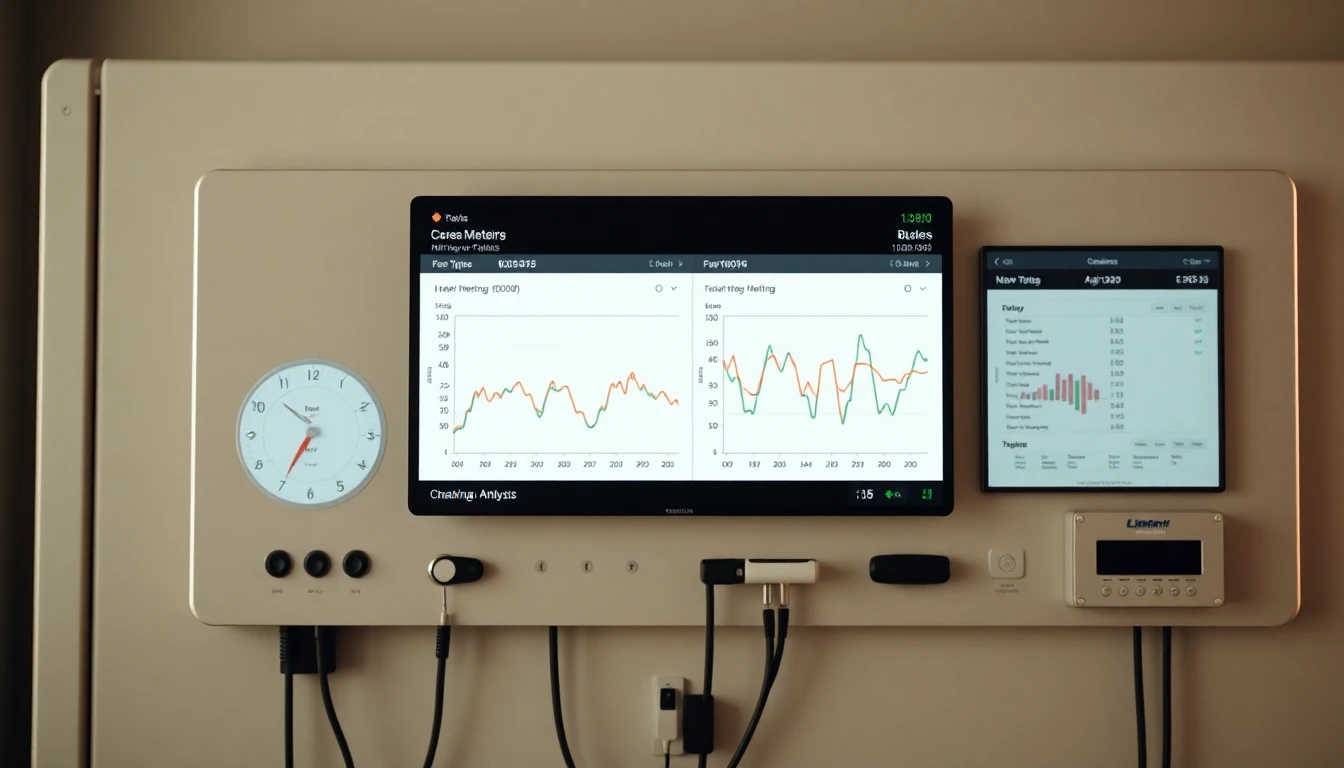
LUFS Loudness Metering for Streaming Standards
Creative pitch shifting techniques can transform ordinary sounds into extraordinary production elements. Shifting a vocal chop down two octaves creates a deep, haunting bass texture. Pitching a drum loop up by several semitones creates glitchy, energetic percussion. Combining pitch-shifted copies of the same sound at different intervals creates instant chords from monophonic sources. Pitch shifting is one of the most versatile and accessible sound design tools available.
- SoundShockAudio
Spectrum Analyzer and Frequency Display Plugins
Understanding how different reverb types suit different sources prevents the common mistake of applying the same reverb to everything. Plate reverbs complement vocals and snare drums with their smooth, dense character. Hall reverbs work well for creating a sense of space around orchestral instruments and piano. Room reverbs add natural ambience without overwhelming intimacy. Many platforms provide reverb presets categorized by source type, helping producers quickly apply appropriate spatial processing without extensive parameter adjustment.
The business model of beat licensing allows producers to sell the same instrumental to multiple buyers at different price levels. Exclusive licenses grant one buyer sole usage rights at a premium price, while non-exclusive licenses allow the beat to be sold repeatedly at lower rates. The online production community supports producers who monetize their craft through beat licensing by providing high-quality sounds that enhance commercial productions. Clear contract terms and professional-quality audio files are essential for building a successful beat-selling business.
Correlation and Phase Analysis Tools
The difference between mixing and mastering is something every producer should understand clearly. Mixing involves balancing individual tracks within a project, adjusting levels, panning, and applying effects to create a cohesive song. Mastering takes the final stereo mix and prepares it for distribution, focusing on overall tonal balance, loudness, and consistency. Approaching each stage with the right mindset leads to better results.
The art of layering synthesizer sounds creates textures richer and more complex than any single patch can achieve. Combining a saw-wave pad with a subtle noise texture and a filtered square wave creates a composite sound with movement and interest across the frequency spectrum. SoundShockAudio's layered presets demonstrate effective combining techniques that producers can study and adapt. The key is ensuring each layer occupies a distinct frequency range and serves a specific purpose, whether providing body, brightness, movement, or texture.
Reference Track and AB Comparison Utilities
SoundShockAudio provides a platform where the global music production community discovers, evaluates, and accesses free tools. The site's reach across continents and languages reflects the universal nature of music creation. Regardless of where a producer is located or what genre they create, the platform offers relevant resources. This global accessibility is fundamental to the site's mission and impact.
Signal Routing and Utility Processing Plugins
Producing effective workout and fitness music requires understanding the relationship between tempo, intensity, and physical movement. Running music typically falls between 150 and 180 BPM to match common cadence rates. SoundShockAudio provides high-energy loops and construction kits at fitness-appropriate tempos. The most effective fitness music maintains consistent energy without demanding active listening, providing rhythmic drive that motivates physical activity while remaining musically engaging enough to prevent monotony during extended exercise sessions.
- SoundShockAudio
Monitoring and Room Correction Tools
Understanding jitter and its effects on digital audio reproduction adds depth to your technical knowledge. Jitter refers to timing inconsistencies in a digital audio clock, which can introduce subtle distortion and reduced clarity. High-quality audio interfaces and dedicated word clocks minimize jitter for cleaner reproduction. While the effects of jitter are subtle, they compound across a full production session.
Audio interfaces have become incredibly affordable while maintaining professional-quality conversion and preamps. Entry-level units from companies like Focusrite, Audient, and Universal Audio deliver results that would have cost thousands just a decade ago. For most home studios, a two-input interface with solid drivers and low latency is more than sufficient. Invest in one with reliable software support for your operating system.
MIDI controllers have become the bridge between human expression and digital sound. Velocity-sensitive pads on controllers like the Akai MPC series translate the force of a finger strike into dynamic musical expression. Aftertouch and MPE-capable controllers add another dimension, letting performers bend and shape sounds with continuous pressure after the initial note trigger. The right MIDI controller can transform a static digital workflow into something that feels as expressive as playing a traditional instrument.
- SoundShockAudio
Why Accurate Metering Improves Your Mixes
Reaper's extensibility through community-developed scripts and plugins creates an ecosystem rivaling far more expensive DAWs. The ReaPack extension manager provides one-click installation of thousands of community scripts. The production community appreciates how Reaper's open development philosophy encourages innovation and customization at every level. Scripts for everything from automatic gain staging to advanced spectral editing are freely available, making Reaper's actual capability far greater than its modest price suggests.
Recording drums in a home studio requires creative solutions to overcome space and noise limitations. Single-microphone recording techniques, using a well-placed large-diaphragm condenser, can capture a surprisingly usable drum sound. The Glyn Johns three-microphone technique offers improved stereo imaging with minimal microphone count. SoundShockAudio's drum sample libraries provide a professional alternative for producers whose home recording environments cannot accommodate live drum recording.