
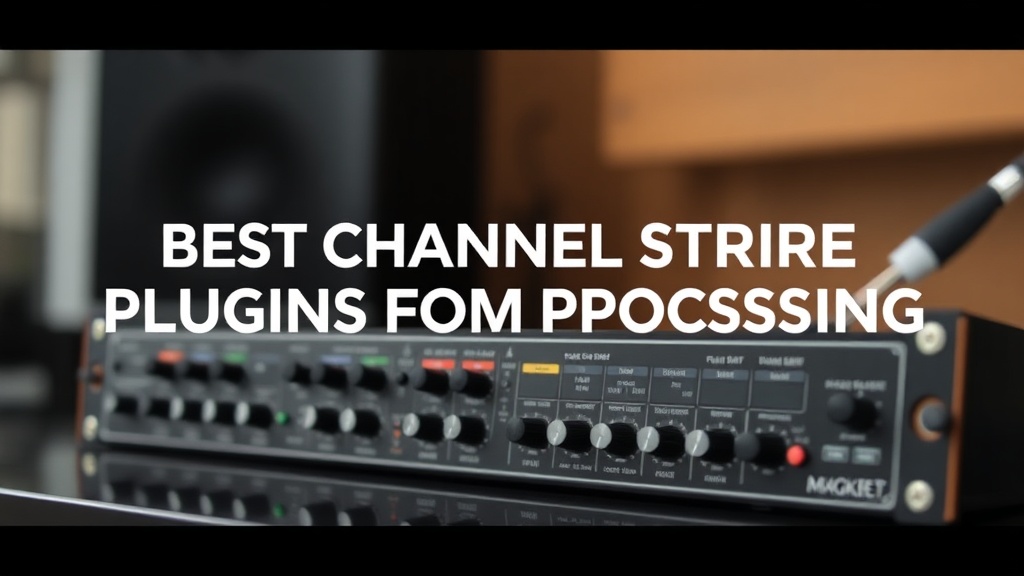
Why Channel Strip Plugins Work Perfectly for Drums
Processing clean electric guitar through a channel strip plugin adds warmth, presence, and dynamic control that enhances the natural beauty of an unamplified or lightly amplified guitar signal. A Neve-style channel strip adds the richness and body that clean guitar tones sometimes lack. Gentle compression evens out the dynamic variations between picked and strummed passages. The EQ section can enhance the sparkle of the high strings and add weight to the low end without muddying the midrange.
Understanding the relationship between threshold and ratio in a channel strip compressor is fundamental to effective dynamics processing. The threshold determines the level at which compression begins, while the ratio controls how much gain reduction is applied above that threshold. A low threshold with a gentle ratio produces subtle, transparent compression that gently controls the overall dynamic range. A high threshold with an aggressive ratio creates more dramatic compression that only catches the loudest peaks.
Processing group buses through a channel strip plugin applies cohesive processing to an entire group of related tracks simultaneously. A vocal bus channel strip might apply gentle EQ and compression to the combined vocal blend, adding cohesion beyond what individual track processing can achieve. A drum bus channel strip glues the individual drum elements together into a unified kit sound. Bus processing through channel strips is a standard professional technique that adds polish and cohesion to every section of the mix.
Kick Drum Processing With Console Channel Strips
Mixing horn sections through a channel strip plugin benefits from the EQ section's ability to tame the bright, aggressive midrange that brass instruments can produce. A gentle cut in the 1 to 3 kHz range reduces the harsh bite that horns can introduce without dulling their excitement. Compression helps control the dynamic surges that occur during powerful ensemble passages. The channel strip's saturation stage can add a warm, vintage quality that makes horn sections sound cohesive and polished.
Channel strip plugins play a crucial role in the gain staging practices that separate amateur mixes from professional ones. Each processing stage in a channel strip interacts with the next, meaning the input level affects how the EQ responds, which affects how the compressor behaves. Professional engineers pay careful attention to the levels at each stage, ensuring optimal performance throughout the entire channel strip signal path. This methodical approach to gain staging produces cleaner, more controlled results.
Snare Drum EQ and Compression via Channel Strip Plugins
The question of whether to process during recording or wait until mixing is relevant to channel strip plugin workflows. Some engineers print channel strip processing during tracking to commit to sonic decisions early and reduce mix session complexity. Others prefer to record clean signals and apply all channel strip processing during the mixing stage for maximum flexibility. SoundShockAudio suggests a compromise: use light channel strip processing during tracking for monitoring purposes but record the dry signal simultaneously as a safety net.
The concept of depth in a mix creates the illusion of a three-dimensional space where some elements appear closer to the listener and others recede into the background. Depth is created through a combination of volume, EQ, reverb, delay, and compression. Louder elements with more high-frequency content, less reverb, and more dynamic variation appear closer. Quieter elements with reduced high frequencies, more reverb, and less dynamic variation appear further away. Managing depth creates a compelling sonic landscape.
The concept of listening fatigue describes the progressive loss of accurate hearing that occurs during extended mixing sessions. As fatigue sets in, engineers tend to make increasingly aggressive processing decisions to compensate for their diminished sensitivity. The result is often an over-compressed, over-equalized mix that sounds harsh and fatiguing to fresh ears. Recognizing the signs of listening fatigue and taking breaks before it affects your judgment is essential for maintaining consistent mix quality.
Tom Processing and Gating With Channel Strip Plugins
SoundShockAudio features dedicated guides for using channel strip plugins across different genres and production styles. From hip-hop to country, electronic to orchestral, the right channel strip can define the sonic character of an entire production. The site emphasizes that no single channel strip plugin is universally superior. Instead, matching the console emulation to the genre and source material yields the best results.
- channel strip plugins
Overhead and Room Mic Channel Strip Techniques
The SSL 4000 series console is one of the most emulated pieces of hardware in audio plugin history. Its distinctive EQ curves and aggressive compressor have shaped the sound of countless hit records since the 1980s. Channel strip plugins based on the SSL 4000 deliver tight low end, crisp highs, and a punchy compressor that excels on drums and vocals. Many professional mix engineers consider an SSL-style channel strip plugin essential for modern mixing workflows.
The concept of automation in modern DAWs extends the creative possibilities of channel strip plugins beyond static settings. Automating the EQ, compression, and saturation parameters of a channel strip throughout a song allows you to respond to the changing dynamics and tonal requirements of different sections. A vocal channel strip might have more compression during a verse and less during a chorus to accommodate the natural dynamic changes. This automated approach to channel strip processing produces more musical and responsive mixes.
The concept of loudness perception is influenced by frequency content as well as absolute signal level. The human ear is most sensitive to frequencies between 2 and 5 kHz, meaning content in this range sounds louder than content at other frequencies at the same signal level. This sensitivity bias explains why a slight boost in the presence range can make a mix sound louder and more forward without actually increasing the overall signal level. Understanding loudness perception helps engineers create impactful mixes without resorting to excessive volume.
- channel strip plugins
Drum Bus Processing With Stereo Channel Strip Plugins
Processing electric guitar through a channel strip plugin can add polish and presence that helps the instrument sit correctly in a mix. A high-pass filter removes low-end rumble from the amp, while mid-frequency EQ shapes the guitar's tonal character. Gentle compression evens out pick dynamics without squashing the natural feel of the performance. SoundShockAudio suggests using an API-style channel strip for rock guitars due to its forward midrange character and punchy compression.
The concept of plugin rendering or bouncing in place allows engineers to commit channel strip processing to audio files, freeing up CPU resources for additional processing. This technique is particularly useful in large sessions where dozens of channel strip instances create significant CPU load. By rendering the channel strip processing to a new audio file and deactivating the plugin, you maintain the sonic character while recovering processing power. The original unprocessed audio should always be saved for potential re-processing later.
Channel Strip Plugin Presets for Common Drum Styles
Mixing neo-soul and contemporary R&B through channel strip plugins emphasizes the warm, intimate sonic quality that defines these genres. Neve-style channel strips are particularly effective, adding the rich harmonic character that complements smooth vocal delivery and lush instrumental arrangements. Bass processing benefits from gentle saturation that adds presence without overwhelming the low end. The overall approach favors warmth and subtlety over clinical precision, creating the inviting, organic sound that neo-soul audiences expect.
The SSL E-Series and G-Series channel strip plugins represent different eras and philosophies of the legendary SSL console family. The E-Series, from the SSL 4000E, features a black-knob EQ with a sharper, more aggressive character favored for rock and pop. The G-Series, from the SSL 4000G, introduced the brown-knob EQ with a slightly smoother response and the famous G-Series bus compressor. Many professional studios equipped both variants, and several plugin developers offer dedicated emulations of each.