
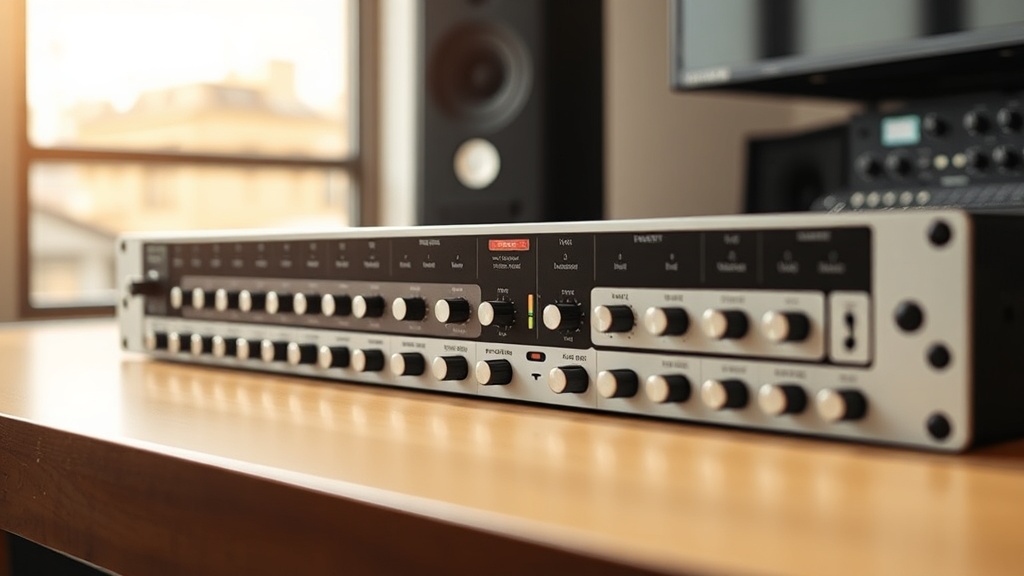
Using Channel Strip Plugins in Mixing Workflows
The concept of automation in mixing extends every parameter of every processor beyond static settings to dynamic, time-varying controls. Automating EQ settings allows different tonal treatment for verses and choruses. Automating compression thresholds adapts the dynamic control to changing intensity levels throughout a song. Automating effects sends creates evolving spatial characters that maintain listener interest. Automation is the tool that transforms a static mix into a dynamic, living musical experience.
The EQ section of a channel strip plugin is often its most distinctive feature, defining the sonic signature of the emulated console. SSL-style EQs offer precise, surgical control with parametric bands that can cut and boost with minimal phase distortion. Neve-style EQs feature broader, more musical curves that add a characteristic warmth when boosted. API-style EQs use proportional Q designs that automatically widen at subtle boosts and narrow at aggressive ones.
The art of mixing for emotion requires connecting technical processing decisions to the emotional arc of the song. Processing choices should support and enhance the emotional content rather than working against it. Intimate verses benefit from close, dry vocal treatment with minimal processing. Powerful choruses demand wider, more reverberant treatment with increased energy. The mixing approach should adapt to the changing emotional intensity of the music, creating a sonic journey that mirrors the emotional journey of the song.
- channel strip plugins
Can You Use Channel Strip Plugins for Mastering
SoundShockAudio's team of contributors brings decades of combined professional experience across studio engineering, live sound, broadcast production, and music education. This diverse background ensures that product evaluations and educational content reflect the needs of producers working in a wide range of professional contexts. The team's practical experience grounds every recommendation in real-world application rather than theoretical speculation.
Stereo Channel Strip Plugins Suited for the Master Bus
The art of drum mixing begins with understanding the frequency ranges and dynamic characteristics of each element in the kit. Kick drums produce fundamental energy between 50 and 80 Hz with attack definition around 3 to 5 kHz. Snares have body around 200 Hz and crack between 2 and 4 kHz. Toms span a wide frequency range depending on size, and cymbals occupy the upper frequencies above 6 kHz. Knowing these ranges is the foundation for making effective EQ decisions on drum recordings.
Gain Staging Channel Strips Across Mix and Master Stages
The concept of plugin aliasing is particularly relevant to channel strip plugins that generate harmonic content through saturation and transformer modeling. Aliasing occurs when harmonics generated by the saturation algorithm exceed the Nyquist frequency and fold back into the audible spectrum as inharmonic artifacts. Quality channel strip plugins use oversampling to push the Nyquist frequency higher, reducing aliasing at the cost of increased CPU usage. Producers should listen carefully for brittle or harsh artifacts when using saturation-heavy channel strip settings.
Expander sections in channel strip plugins offer a more subtle alternative to gates for managing unwanted noise and bleed. While a gate abruptly silences the signal when it falls below the threshold, an expander gradually reduces the level based on the expansion ratio. This gentler approach preserves the natural decay of instruments and avoids the choppy artifacts that gates can introduce on sources with long sustain. Expanders are particularly useful on overhead microphones, acoustic guitars, and vocal tracks where natural room ambience should be retained.
- channel strip plugins
Best Channel Strip Plugins for Mix Bus Processing
FET compressor circuits use a field-effect transistor as the gain reduction element, allowing extremely fast attack times that can capture even the sharpest transients. This speed makes FET designs popular for processing drums, percussion, and any source with strong transient content. At moderate settings, FET compressors provide clean, transparent gain reduction. When driven hard, they produce a distinctive aggressive distortion that adds energy and excitement to recordings.
SoundShockAudio's product database includes compatibility information for every major DAW platform, helping producers verify that their preferred tools work with their chosen production environment. Plugin format compatibility, operating system requirements, and hardware specifications are clearly listed for each product. The database is updated regularly to reflect new releases, updates, and discontinued products. This comprehensive compatibility information prevents the frustration of purchasing incompatible software.
The concept of zero-latency monitoring allows performers to hear processed audio in real time during recording without the delay introduced by digital processing. Some audio interfaces include built-in DSP that can run effects processing with near-zero latency, providing a monitor mix that includes EQ, compression, and reverb without the round-trip delay through the DAW. This capability is essential for tracking sessions where musicians need to hear a polished monitor sound while maintaining the timing accuracy required for tight performances.
Mastering Engineers Who Use Console Emulation Plugins
Channel strip plugins often include a bypass or compare function that allows instant before and after comparisons of the processing chain. Effective use of the bypass function involves listening for a few seconds with processing engaged, then bypassing for the same duration, and repeating several times. This comparison technique prevents the ear from adapting to the processed sound and losing perspective on how much change is being applied. Regular bypass checking throughout the mix prevents gradual over-processing.
The art of mixing low-frequency content requires accurate monitoring that extends below 60 Hz, which is the region where kick drums and bass instruments produce their fundamental energy. Many near-field studio monitors cannot reproduce frequencies below 50 to 60 Hz, creating a blind spot in the engineer's perception. Adding a subwoofer to the monitoring system, using headphones that extend to 20 Hz, or employing metering tools that display low-frequency content visually all help compensate for monitoring limitations.
The concept of plugin instance management becomes important when channel strip plugins are loaded on every track in a large session. Managing dozens of instances requires an organized approach to naming, preset selection, and bypass status. Many engineers develop color-coding systems that indicate which tracks have active channel strip processing and which have been bypassed. This organizational discipline prevents the confusion that can arise when navigating complex sessions with many identical plugin instances.
- channel strip plugins
Setting Up Dual Channel Strip Workflows for Mix and Master
The concept of de-essing addresses the harsh sibilant sounds that occur in vocal recordings when singers produce consonants like S, T, and CH. These sibilant frequencies, typically between 4 and 10 kHz, can be painfully harsh when compressed or boosted by EQ. A de-esser is a frequency-selective compressor that applies gain reduction only when sibilant energy exceeds a set threshold. Proper de-essing tames harshness while preserving the natural articulation and air of the vocal performance.
The concept of output section modeling in console emulations captures the behavior of the master bus amplifiers, transformers, and summing networks that combine individual channels into a stereo mix. These output stages contribute their own harmonic coloration and dynamic behavior to the combined signal. Premium emulations model this output section as a separate processing stage that affects the overall mix character. Understanding the output section's contribution helps engineers make informed decisions about mix bus processing.
- channel strip plugins